


NEWS
20/02/2026
Sub-Regional Meeting on Research for Safeguarding Intangible Cultural Heritage in Small Island Developing States Held in Tokyo on 5-6 February 2026
The Sub-Regional Meeting entitled ‘Research on Safeguarding Intangible Cultural Heritage in Small Island Developing States: Current State, Challenges, and Prospects’ was held on 5–6 February 2026 at the Kuroda Memorial Hall in Tokyo, Japan.
This meeting aimed to discuss the current state and challenges of intangible cultural heritage (ICH) research in Small Island Developing States (SIDS), based on the outcomes of IRCI’s multi-year project ‘Sustainable Research Data Collection for ICH Safeguarding: Focusing on Central Asia and Small Island Developing States’ (FY2022–2025), and to explore future directions for strengthening ICH safeguarding and sub-regional collaboration.
Discussions on Day 1 were built on the results of IRCI’s data collection project. Following an introductory overview by IRCI, country representatives from Fiji, Kiribati, the Maldives, Palau, Papua New Guinea, Timor-Leste, and Vanuatu presented key findings on ICH research status, trends, and challenges in their respective countries based on existing research information collected in the project, followed by a report on the regional analysis based on all collected information from these countries. Through in-depth dialogue, participants identified pressing regional issues including the dysfunction or under-staffing of National Commissions for UNESCO in some countries, as well as successful engagement models such as the Cultural Mapping and the Vanuatu Cultural Centre’s Fieldworkers Network. Discussions also highlighted national research policies on the confidentiality of sacred or restricted ICH elements and the urgent need to address climate change impacts, given the high vulnerability of small islands to environmental changes. These discussions highlighted both structural obstacles and community-driven successes, setting the stage for targeted future support.
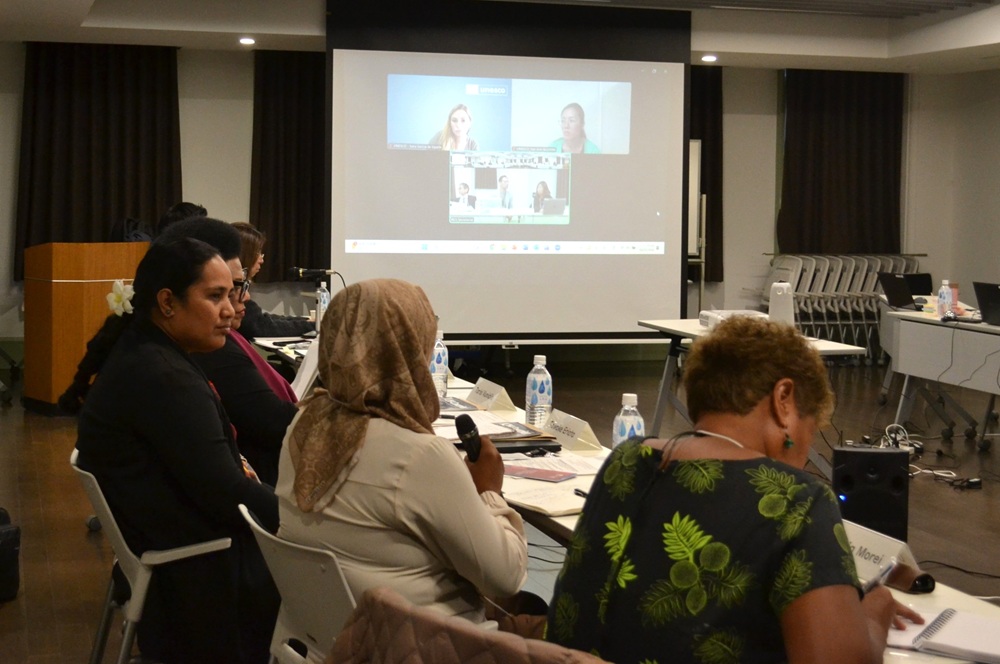
The second day focused on future collaboration, with presentations from UNESCO Category 2 Centres active in the field of ICH in the Asia-Pacific region: IRCI, the International Training Centre for Intangible Cultural Heritage in the Asia-Pacific Region (CRIHAP), and the International Information and Networking Centre for Intangible Cultural Heritage in the Asia-Pacific Region (ICHCAP), as well as the UNESCO Regional Office for Pacific States (Apia), who joined online to share ongoing initiatives and priorities in the Pacific. In a dynamic exchange, country representatives articulated their needs for technical, financial, and capacity-building support, including enhanced training in digital archiving and community-based inventorying, support for policy development integrating ICH and climate adaptation, and the strengthening of regional networks for research and practitioner exchange, while also inquiring about UNESCO’s operational frameworks and funding mechanisms. Discussions further explored joint proposals to improve the visibility of SIDS, which remain underrepresented under the 2003 Convention, particularly in the inscription of ICH elements on its lists. This conversation reinforced the importance of aligning international support with local priorities and ensuring that SIDS’ voices guide regional safeguarding strategies.
This meeting marked another step in IRCI’s sustained engagement with SIDS and demonstrated the growing collaboration and synergy among UNESCO Category 2 Centres in supporting ICH safeguarding. The frank and constructive discussions have paved the way for more responsive and cooperative actions tailored to the unique challenges that SIDS face. The insights and partnerships forged during this meeting will inform future projects, research agendas, and policy recommendations, contributing to more resilient and community-led safeguarding of ICH across SIDS.
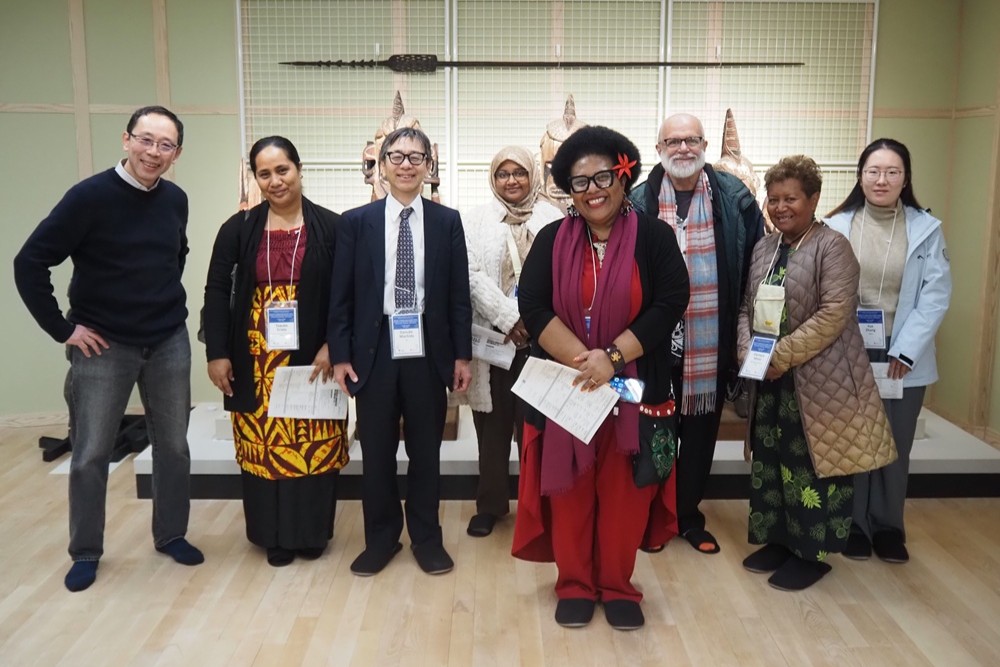
After the formal sessions of the meeting, participants visited the Keio Museum Commons (KeMCo), where they explored the Melanesian ethnographic materials collected before World War II—a meaningful opportunity to reflect on tangible and intangible cultural connections within the Pacific region.
For more information about the participants in the meeting, please refer to the programme.
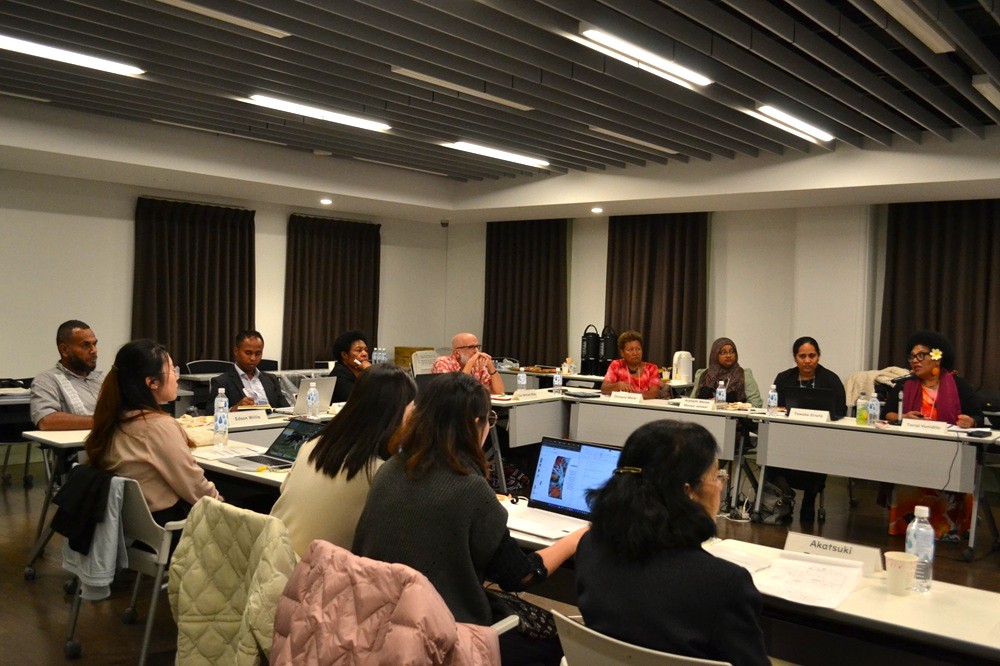
A presentation session in progress during Day 1
(5 February 2026)
The hybrid discussion on Day 2, with representatives from
the UNESCO Apia Office joining online (6 February 2026)
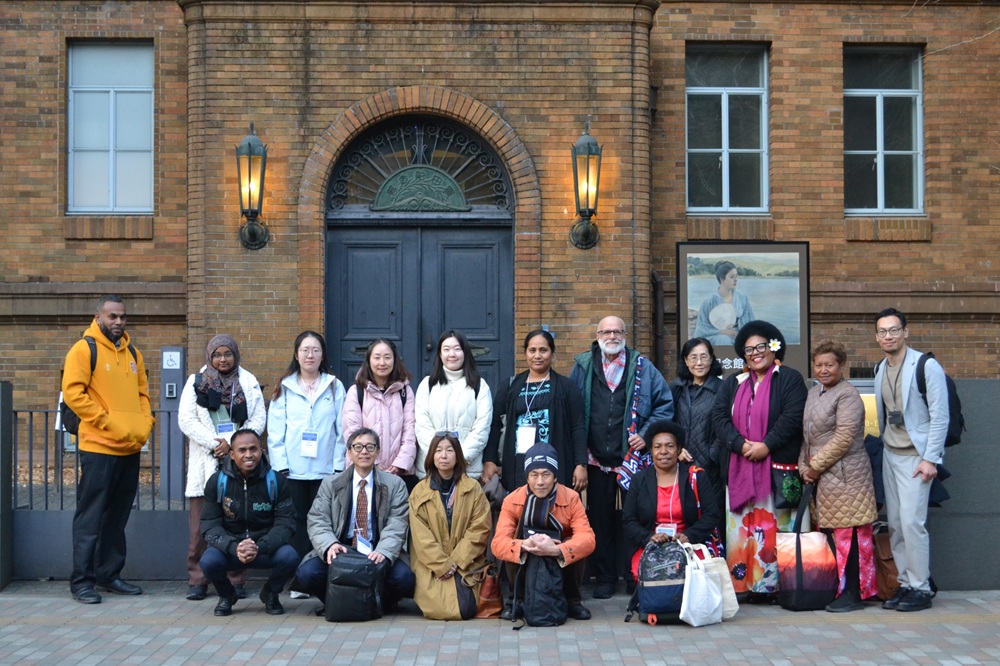
Participants gather for a group photo outside the Kuroda Memorial Hall, the meeting venue (5 February 2026)
Participants explore the Melanesian collection during the excursion to the Keio Museum Commons on Day 2
(6 February 2026)
- ARCHIVE
- CATEGORY
- Research Data Collection
- Creation of Research Forum
- SDGs
- Climate change
- Natural hazards
- COVID-19 Pandemic
- Endangered ICH
- Post-conflict
- Legal systems
- Documentation
- Conferences/Meetings
- Seminars
- Symposiums/Forums
- Workshop/Working sessions
- Field research
- Information
- Visits
- Publications
- YouTube
- C2Centre
- UNESCO
- Cooperation-with-Sakai-city
- Governing Board Meetings
- Others
